“Inflation isn't coming from overheating—it's coming from policy friction.”
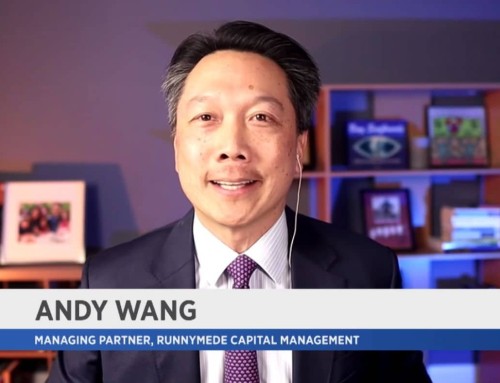
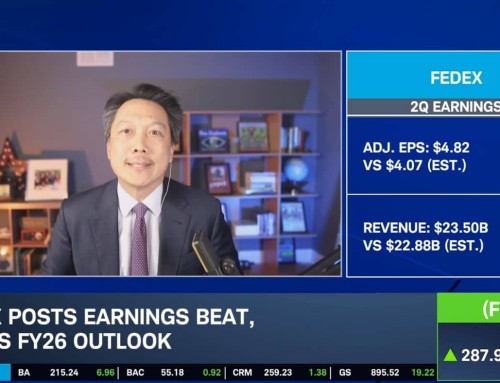
That was one of the key takeaways from Andy Wang, Managing Partner at Runnymede Capital Management, during his appearance this morning on Schwab Network’s Morning Movers with Diane King Hall.
As markets awaited June’s Consumer Price Index (CPI) release, Andrew helped set the tone for the trading day by digging into the impact of tariffs, the state of the banking sector, and the Fed’s uncertain path amid policy-driven inflation risks.
📊 Banks Kick Off Earnings — But What's Beneath the Surface?
Andrew began by reacting to earnings from big banks like JPMorgan Chase and Wells Fargo, noting that banking performance often reflects broader economic health.
“Despite the nonstop tariff headlines, the market continues to grind higher. And we’re starting to see that optimism confirmed in the banks’ results,” Wang said.
While JPMorgan impressed with strength in trading and investment banking, Andrew urged caution, pointing out that divergent guidance (such as Wells Fargo’s cut to 2025 net interest income expectations) hints at underlying uncertainty.
“We’re in an environment where management teams are trying to manage expectations. With so many unknowns in both the economy and in policy, you’ll likely see more cautious forward guidance.”
🧾 CPI and Tariffs: A Ticking Time Bomb?
With CPI data pending at 8:30 AM ET, Andrew emphasized how today’s report could be the first meaningful test of whether tariffs are showing up in consumer prices.
“Economists expect a 2.6% year-over-year CPI print. But the real story isn’t in the headline. It’s whether tariffs are finally bleeding into core goods inflation—categories like apparel, autos, and electronics.”
He pointed out that recent inflation prints have been tame, even as the Trump administration introduced aggressive new tariffs on key imports. Businesses may have been absorbing costs using pre-tariff inventory—but those buffers won’t last forever.
🏦 Fed Policy: Still in Limbo
As markets continue to price in potential rate cuts, Andrew warned that tariff-driven inflation could keep the Federal Reserve sidelined longer than expected.
“The Fed wants to cut, but they’re stuck. If inflation starts rising due to tariffs, especially in core categories, that complicates their policy options.”
And unlike typical inflation cycles, the risk today isn’t demand-driven. It’s policy-induced, and that changes the playbook for investors.
“Inflation isn’t being driven by overheating — it’s coming from Washington. That makes investing and forecasting a lot trickier.”
🤔 Market Sentiment: Complacent or Resilient?
Diane raised the question of market complacency: Why are markets brushing off headlines about 20–50% tariffs on EU and Mexican goods?
Andrew suggested optimism may be overdone:
“My gut is that markets are too complacent. They’re betting on negotiations or legal barriers stopping the most extreme tariffs. But if China re-enters the spotlight, sentiment could shift fast.”
📉 The Risk Investors Can’t Ignore
Andrew closed with a word of caution: While optimism has fueled the rally, valuations are high, and sentiment can reverse quickly.
“If markets are mispricing tariff risk, the reaction could be swift. Investors need to think not just about the economy — but about how policy friction changes the narrative.”
What do you think — are markets underestimating the risks of tariff-driven inflation, or is investor optimism justified?