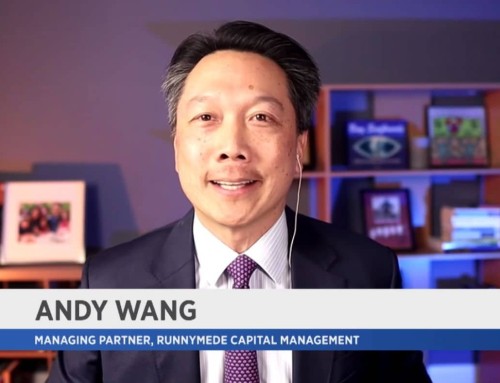
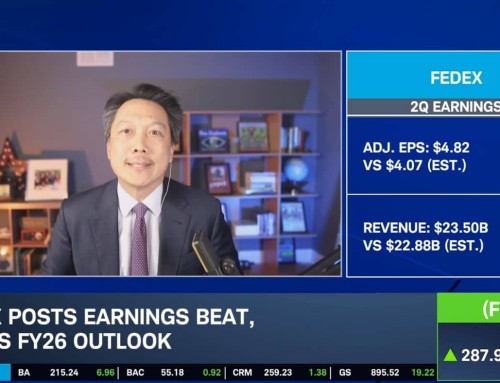
Andy Wang, Managing Partner at Runnymede Capital Management, joined Trading 360 on Schwab Network to discuss Eli Lilly’s recent earnings report, developments in obesity drug innovation, and the broader pharmaceutical investment landscape.
Strong Earnings, Mixed Market Reaction
Eli Lilly reported better-than-expected earnings and revenue, raised its full-year guidance, and continued to see strong sales from its blockbuster drugs Mounjaro and Zepbound. Despite these positives, the stock declined following the release of clinical trial results for its next-generation oral obesity drug, orforglipron.
Investor expectations were high, and while orforglipron demonstrated meaningful weight loss results, they fell short of some market hopes, especially in comparison to Novo Nordisk’s latest trial data. This highlights how richly valued companies may face pressure even when results are objectively strong.
Competitive Landscape in Obesity Treatments
The obesity treatment market continues to grow rapidly, with Eli Lilly and Novo Nordisk leading innovation. While Lilly maintains a strong position with injectable GLP-1 therapies like Zepbound and Mounjaro, Novo Nordisk has raised the bar with clinical trial results showing higher efficacy from its oral semaglutide candidate.
With investor focus shifting toward the next wave of therapies, particularly oral medications, the race for market leadership is intensifying. These dynamics underscore the need to assess not only scientific milestones but also commercial competitiveness, delivery methods, and long-term differentiation.
Long-Term Fundamentals Remain Strong
Despite the short-term stock volatility, Eli Lilly’s long-term fundamentals remain compelling. Tirzepatide, the compound behind Mounjaro and Zepbound, is projected to be one of the best-selling drugs in the world. The company continues to reinvest heavily in its R&D pipeline, which remains one of the most innovative in the sector.
That said, several risk factors remain top of mind for investors, including pricing pressure from payers, policy risk around Medicare reimbursement, and rising competition from compounding pharmacies or biosimilar development.
Broader Healthcare Investment Opportunities
For investors looking to participate in healthcare innovation with a values-based approach, the Simplify Health Care ETF (Ticker: PINK) offers a differentiated option, donating net profits to the Susan G. Komen Foundation while providing exposure to a diversified set of healthcare companies.
Conclusion
The obesity drug market is undergoing a major transformation, and Eli Lilly remains a key player despite near-term stock pressure. Long-term opportunities in healthcare innovation remain robust for investors who take a strategic view and focus on scientific leadership, pricing power, and sustainable pipelines.