Why This Episode Is a Must-Watch
Is fine art a savvy investment, or just a glamorous gamble?
This episode of Inspired Money pulls back the curtain on the art market and uncovers what most investors really need to know before putting their money into masterpieces.
Whether you’re curious, skeptical, or already have a piece or two on your walls, this panel of high-caliber experts navigates art’s intersection with investment, tech, and trust… making it a must-watch for business professionals, finance enthusiasts, and art lovers alike.
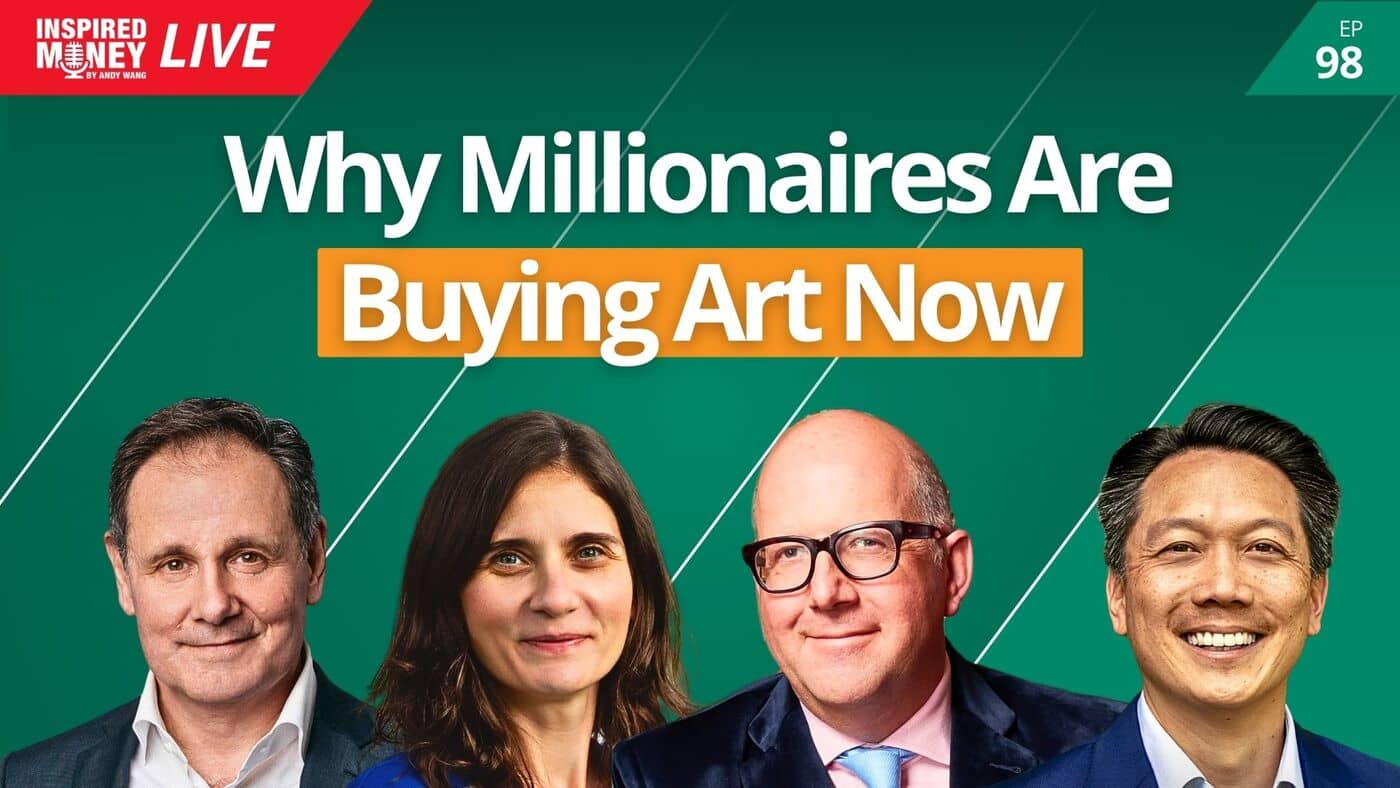
Meet the Expert Panelists
Philip Hoffman is the Founder and Chairman of The Fine Art Group, a global leader in art investment, finance, advisory, and philanthropy that he founded in 2001 after a distinguished 12-year career at Christie’s, where he became CFO at age 27 and Deputy Chief Executive of Europe by 33. Under his leadership, The Fine Art Group now advises on over $20 billion in art annually for more than 350 family offices worldwide, with a presence across the U.S., Europe, Asia, and Australia. Philip is a widely quoted authority on the art market in global media and at leading financial and cultural institutions. https://www.fineartgroup.com
Nanne Dekking is Co-Executive Chairman of Winston Artory Group and one of the most prominent pioneers in applying data science, artificial intelligence, and asset tokenization to the global art market. With more than three decades of experience as an art historian, advisor, and market innovator, he has consistently operated at the intersection of connoisseurship, finance, and technology. Formerly Vice Chairman and Worldwide Head of Private Sales at Sotheby’s, and the founder of Artory, Dekking is widely recognized for advancing provenance, transparency, and trust in high-value art transactions through data-driven systems and blockchain-based infrastructure. He is a frequent contributor to Bloomberg and the Financial Times and a leading voice on the future of art as an institutional-grade asset class. https://www.wag-art.com
Dr. Carina Popovici is the co-founder and CEO of Art Recognition, a Zurich-based ArtTech company pioneering the commercial use of artificial intelligence for art authentication and forgery detection. A PhD-trained theoretical physicist and former quantitative risk specialist in Swiss banking, she brings deep expertise in AI, physics, and finance to one of the art market’s most critical challenges: trust, provenance, and authenticity. Her work has been featured by major international outlets including The Wall Street Journal, Financial Times, and The Guardian. In 2025, Luxembourg-based art investment firm Alpha Star invested USD 1 million in Art Recognition to accelerate the company’s growth and mission.
https://art-recognition.com
Key Highlights:
1. Authenticity, Trust, and Data—More Fragile Than You Think
Blue chip status rests on reputation, but Carina Popovici reveals that institutional validation doesn’t eliminate authenticity risks. AI tools are changing how authenticity and confidence intersect, potentially saving investors from costly surprises.
2. Investment Is About Expert Know-How, Not Just Data
Philip Hoffman emphasizes that “human interaction, professional knowledge, and expertise make the difference between $3 million and $30 million.” Data and AI support, but don’t replace, the judgement of seasoned advisors, especially when condition and provenance can shift value dramatically.
3. Fractional Ownership: Democratizing or Dangerous?
Platforms like Masterworks are opening doors, but Nanne Dekking and Philip Hoffman warn about high fees and speculative risks for everyday investors. “The costs kill it. For every million you're investing…in a fractionalized fund…your fees will be $40 million,” cautions Philip Hoffman.
4. AI Can Be a Double-Edged Sword
While good AI models are advancing to authenticate art, Carina Popovici highlights the growing threat: “These days it's possible to fake absolutely anything…with AI.” The stakes in provenance and validation have never been higher.
Call-to-Action
Here is one thing to do this week, take a moment to explore your own relationship with art: visit a gallery, research an artist you admire, or even start tracking works that inspire you. Engaging with the art world, even just a little, is the first step toward thinking like a thoughtful art investor.
Find the Inspired Money channel on YouTube or listen to Inspired Money in your favorite podcast player.
Andy Wang, Host/Producer of Inspired Money