It's hard to believe that the calendar has turned to November and we have just two months left in 2025. These last two months of the year fly by with holiday parties, family gatherings, holidays, and travel.
This is a great time to review your financial health and make strategic moves that can impact your taxes and long-term goals. Get a jump start now so you aren't scrambling during the busiest time of the year.
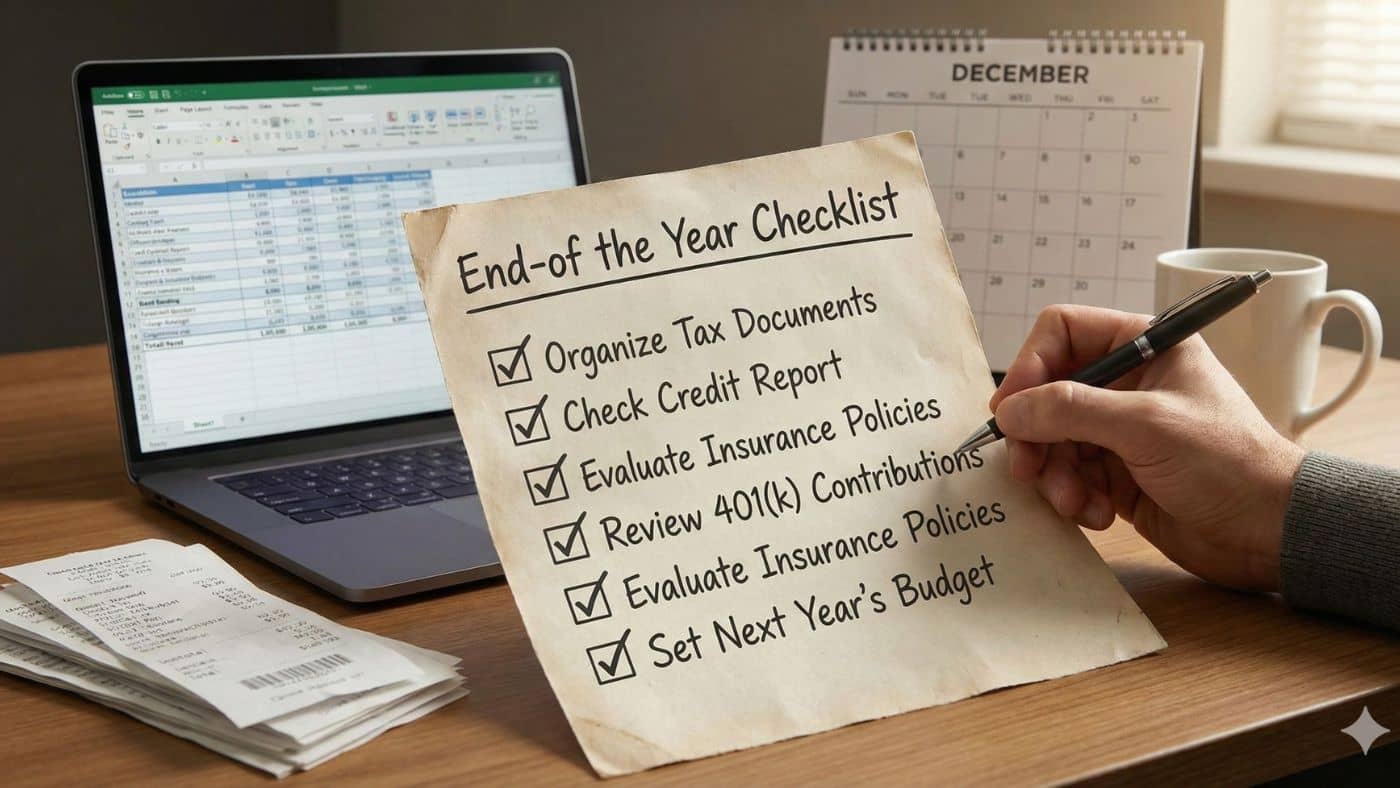
Here is checklist to get you started:
|
|
|
1. Tax Planning & Retirement Contributions
Maximize Retirement Contributions:
-
-
- Ensure you are on track to max out your contributions to tax-advantaged accounts like your 401(k), 403(b), or 457(b) plan (deadline is generally December 31st).
- Consider making your full contribution to a Traditional or Roth IRA (you typically have until the tax filing deadline in April of the next year).
- If you're over age 50, take advantage of catch-up contributions.
Health Savings Account (HSA):
-
-
- If eligible, maximize contributions to your HSA for a triple tax benefit.
Required Minimum Distributions (RMDs):
-
-
- If you are age 73 or older (or inherited an IRA), make sure you take your RMD from retirement accounts before December 31st to avoid hefty penalties.
Flexible Spending Account (FSA):
-
-
- Check your FSA balance and plan to spend down any remaining funds before the deadline to avoid forfeiting them (most plans are “use it or lose it,” though some allow a small carryover or grace period).
Tax-Loss Harvesting:
-
-
- Sell underperforming investments in taxable accounts to offset any capital gains realized during the year. You can offset up to $3,000 in ordinary income with any excess loss.
Charitable Giving:
-
- Make any planned charitable donations before year-end to claim a tax deduction for the current year.
- If you're over age 70.5, consider a Qualified Charitable Distribution (QCD) directly from your IRA, which can count toward your RMD and be excluded from your taxable income. (Note that this isn't broken out in your 1099-R so let your account know if you make a QCD).
2. Investments and Savings Review
Review and Rebalance Portfolio:
-
-
- Check your asset allocation (mix of stocks, bonds, cash) to ensure it still aligns with your risk tolerance and goals. Rebalance if market performance has shifted your percentages too far.
- Don't leave too much cash sitting in major banks that pay no interest on your cash. If you have excess cash, consider moving it money market accounts or high-yield savings.
Check on Goals:
-
- Review your progress toward major savings goals (e.g., house down payment, education savings via a 529 Plan, etc.) and adjust your contributions for the new year.
3. Debt, Budget, and Credit
Review Spending:
-
-
- Look over your spending for the past year and adjust your budget for the new year. Identify areas where you can cut back or increase savings.
Tackle High-Interest Debt:
-
-
- Strategize how to apply any year-end bonuses or extra cash to pay down high-interest debt, like credit cards or personal loans.
Check Your Credit Report:
-
- Review your credit report (you can get one free from each of the three bureaus annually) for errors or signs of fraud.
4. Estate Planning
Update Beneficiaries:
-
-
- Confirm the beneficiary designations on all financial accounts (retirement plans, life insurance) are up-to-date, as these supersede your will.
Review Estate Documents:
-
- If you have a will, trust, power of attorney, or health care directive, review them to ensure they still reflect your wishes. Create these documents if you haven't yet.
|
|
|
Feature image from Gemini AI.