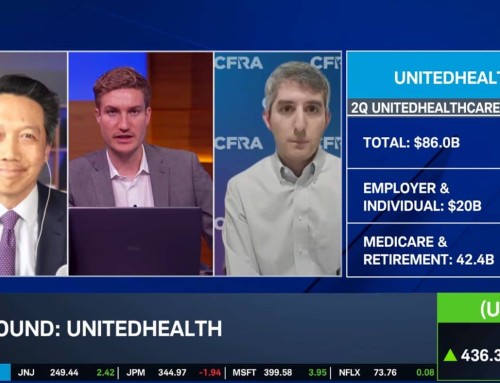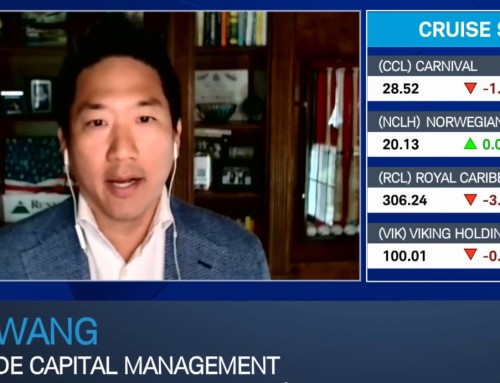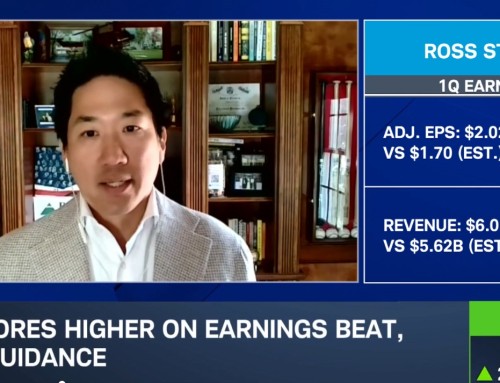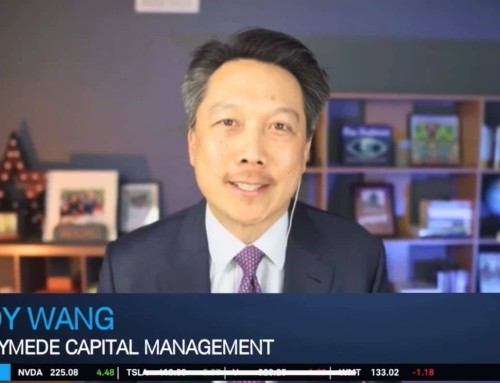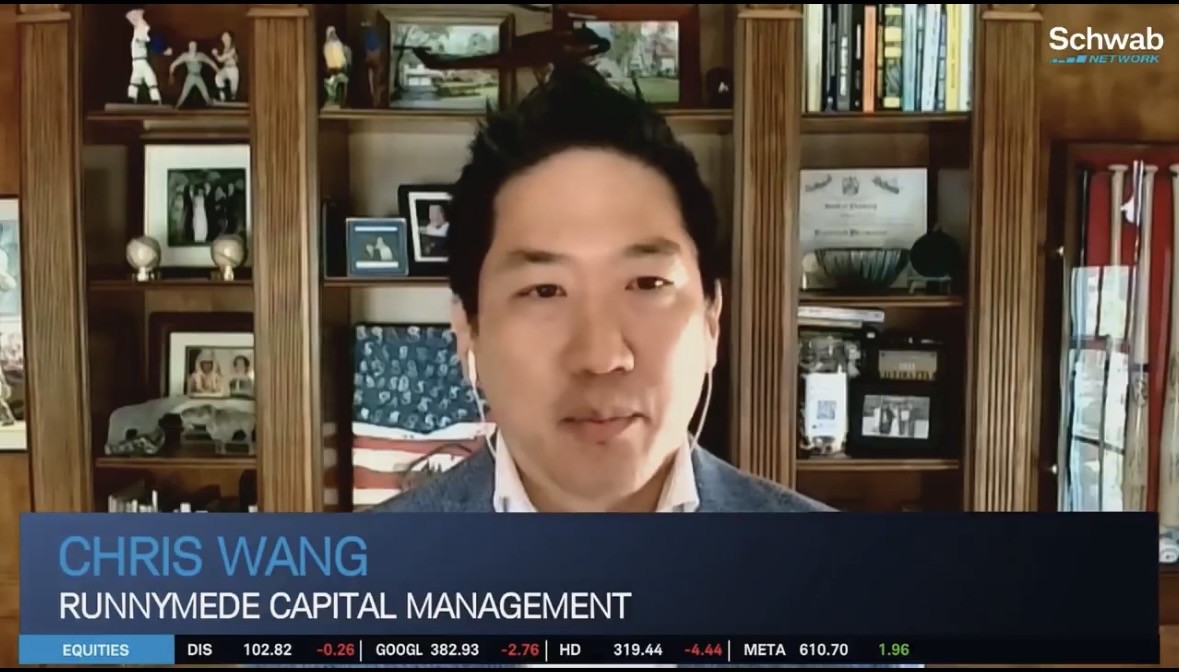
In a recent appearance on Schwab Network's the Trading 360 with Nicole Petallides, Chris Wang provided expert insights on PLTR's upcoming 1Q earnings after the close.
.@KungFuInvestor breaks down what the Street expects from Palantir (PLTR) earnings.
Wang sees future guidance as key – and breaks down the “risk” surrounding the name.@G_Tsilis walks through an example options trade for $PLTR.
For more: https://t.co/P2i65GdIqN pic.twitter.com/Nhc4sIKpp6
— Schwab Network (@SchwabNetwork) May 4, 2026
- The Numbers Wall Street Is Expecting
Wall Street expects Palantir to report Q1 2026 EPS of $0.28, which would represent 115% year-over-year growth, on revenue of approximately $1.54 billion — a 74% increase from the same quarter last year. Those are remarkable growth rates for a company of this size. What makes the setup interesting is Palantir's recent track record of beating estimates. They have beat on the top line by >$60M over the last 3 quarters; so the expectations are high for tonight’s earnings. But the risk is future growth: analysts are forecasting sales deceleration from here so future guidance will be very important.
- The AI Platform Is Driving Unprecedented Demand
The engine behind this growth is Palantir's Artificial Intelligence Platform, or AIP, which launched in 2023 and has become the company's primary commercial growth driver. Recent channel checks point to “unprecedented demand” as enterprises adopt AI at scale. What's notable is that this isn't just existing customers spending more. The platform is shortening sales cycles and pulling in new enterprise clients who want to operationalize AI within their existing workflows rather than building from scratch. That acceleration in the growth rate, not just growth itself, is what has investors paying close attention.;;;; Customer could grew 34% year over year in 2025; deals greater than $1M grew by over 100%
- Government Contracts Remain the Backbone — and a Risk
More than half of Palantir's revenue comes directly from U.S. defense, intelligence, and federal contracts. In 2025, U.S. government revenue grew 55% year-over-year to $1.855 billion. That government reliance is both a strength and a vulnerability. On the strength side, these are sticky, high-value contracts with long lifespans, and the push toward AI integration across defense and intelligence agencies plays directly into Palantir's capabilities. But any meaningful budget cuts or contract delays would hit Palantir's top line directly — not indirectly, as is the case with most tech companies. On this earnings call, investors will be listening closely for updates on contract renewals, new defense AI wins — particularly in NATO-related international programs — and any shifts in management's tone about the federal pipeline heading into the rest of fiscal 2026.
- The Anthropic Question and Palantir's Competitive Moat
One of the biggest debates heading into this report is whether rising AI competition, particularly from large language model providers, could erode Palantir's position. That concern intensified after Michael Burry — the investor known for “The Big Short” — said recently that Anthropic is “eating Palantir's lunch.” It's a provocative claim, but many analysts push back on it. Palantir's ontology layer creates structured, secure digital twins of client processes, which limits LLM hallucinations and enables deep integration — positioning Palantir for high-stakes enterprise use cases that are less vulnerable to disruption from generic LLMs. In other words, Palantir isn't just offering an AI model — it's offering the infrastructure to deploy AI safely within complex organizations. That said, management's commentary on Anthropic competition and forward guidance will be key catalysts for the stock. If leadership can articulate clearly why their moat is durable, it could ease one of the market's biggest concerns.
- Valuation and What Guidance Needs to Deliver: trading 25% off its November high
Even after a significant pullback, Palantir's valuation remains the elephant in the room. The stock trades at a premium multiple of over 100x earnings, meaning strong future guidance matters just as much as current-quarter results. Shares have dropped about 32% from their recent high, which has improved the risk-reward for new investors but hasn't made the stock cheap by any traditional measure. For fiscal 2026, management is guiding for roughly $7.2 billion in revenue, a figure well above earlier analyst expectations. Whether they raise that number will likely determine the stock's direction after the print. A guidance raise could validate the premium multiple; a miss or even a hold-steady could trigger another leg down. The bar is high, but then again, it usually is with Palantir — and they've had a habit of clearing it.