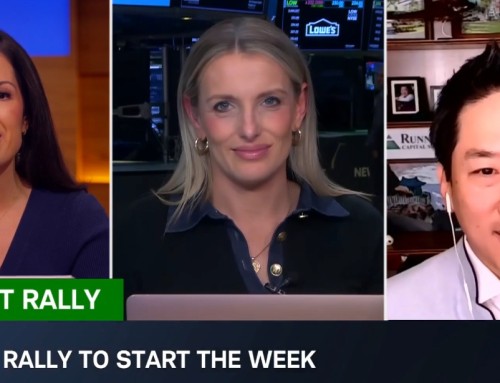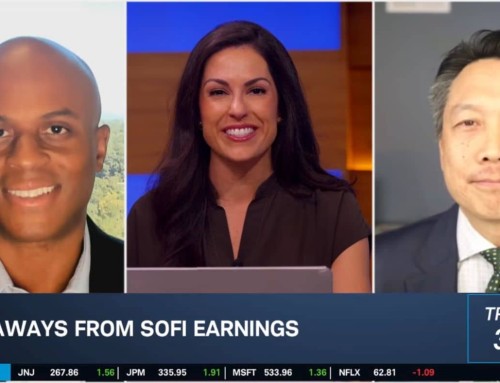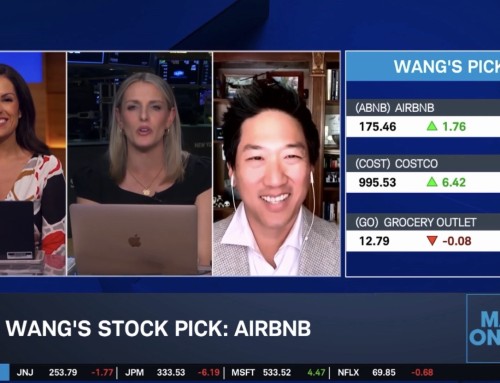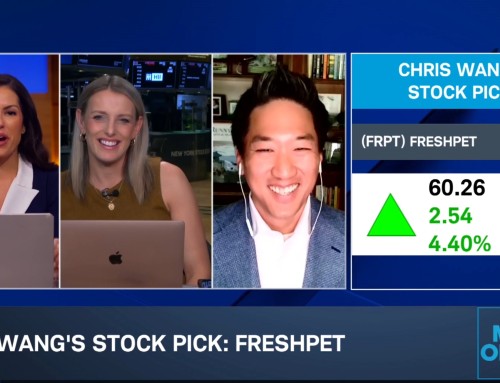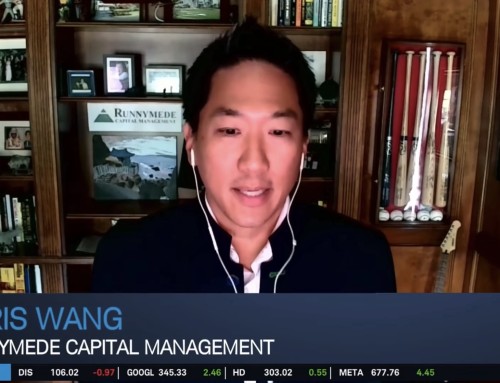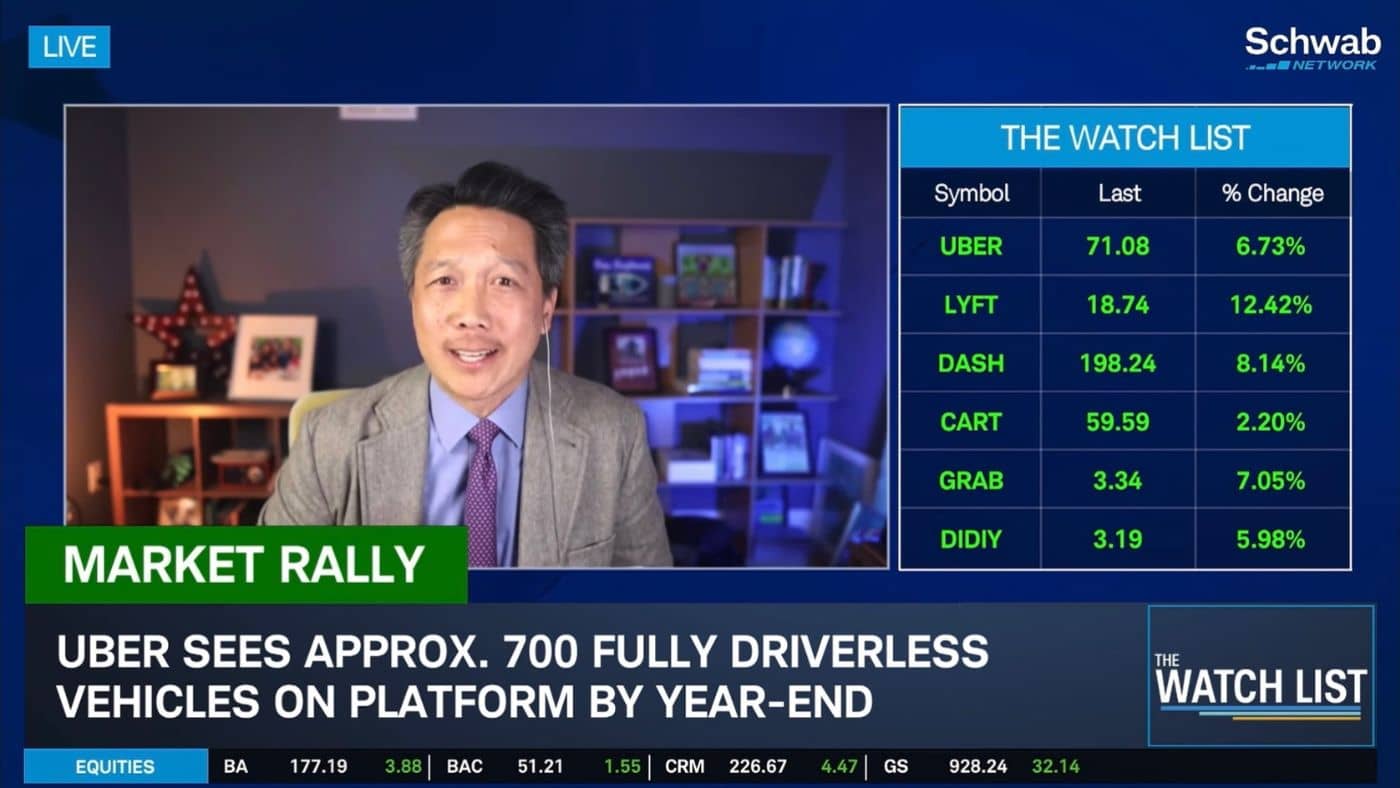
Runnymede Capital Management Managing Partner Andy Wang joined Schwab Network's Trading 360 to discuss Uber's latest quarterly earnings, including strong cash flow, driver shortages, and the economics of autonomous vehicles.
Uber Technologies continues to expand its business, but its latest earnings report highlights an important distinction for investors: revenue growth does not always translate directly into profitability.
During the November 5, 2026, appearance, Wang joined Christine Short of Wall Street Horizon to examine Uber's third-quarter results and the opportunities and challenges facing the company.
Uber's Profitability Is Growing Faster Than Bookings
One of the more encouraging developments in Uber's quarterly results was the relationship between business growth and profitability.
Uber reported:
- Gross bookings growth of 20% year over year.
- Adjusted EBITDA growth of 31%, outpacing bookings growth.
- More than $2.5 billion in quarterly free cash flow.
Wang highlighted the significance of these results.
“Gross bookings grew 20%, but adjusted EBITDA grew 31%. That's what investors want to see: profits growing faster than the business.”
This suggests that Uber is benefiting from operating leverage, where profitability can improve faster than the underlying volume of business.
However, adjusted EBITDA is a non-GAAP measure and does not capture every expense associated with operating the business. Investors should consider it alongside GAAP earnings, cash flow, and capital requirements when evaluating financial performance.
Driver Shortages and Higher Fuel Costs Remain Challenges
Despite its overall growth, Uber's mobility business faced pressure during the quarter.
Mobility revenue came in at approximately $7.5 billion, below expectations of $7.7 billion. Management cited higher fuel prices and driver shortages, particularly in certain international markets, as contributing factors.
Wang noted that the challenge in some markets may be less about customer demand and more about the availability and cost of drivers.
Higher fuel costs can make driving less attractive, potentially requiring Uber to offer additional incentives to maintain adequate supply.
Although management indicated that driver availability improved in September, incentives can still weigh on margins.
For investors, the important question is whether Uber can continue expanding its ride-sharing network while maintaining attractive economics on each additional trip.
Delivery and Freight Provide Additional Growth Opportunities
Uber's business extends well beyond ride-sharing.
The company's delivery segment reported approximately 23% year-over-year revenue growth, supported by its expanding merchant relationships and broader delivery offerings.
Partnerships with retailers and food-service providers are helping Uber extend its reach beyond restaurant meals into groceries and other purchases.
Meanwhile, Uber Freight reported approximately 34% year-over-year revenue growth.
These businesses provide additional sources of revenue and opportunities to serve customers across multiple services.
However, competition remains significant, particularly in delivery, where companies such as DoorDash continue to compete for consumers, merchants, and delivery workers.
Growth across multiple business lines may strengthen Uber's platform, but each segment has different competitive pressures, operating costs, and profitability characteristics.
Robotaxis: Significant Potential, but Uncertain Economics
Perhaps the most consequential long-term question for Uber is the future of autonomous vehicles.
Uber has outlined commitments of up to $10 billion toward developing its autonomous vehicle ecosystem. The company sees an opportunity to connect autonomous vehicle operators with customers through its existing platform.
But Wang cautioned against assuming that eliminating human drivers automatically makes autonomous rides more profitable.
“Removing the driver doesn't automatically remove the cost. Someone has to pay for the vehicle, the technology, charging, insurance, and maintenance.”
According to management's commentary discussed during the interview, autonomous rides currently generate lower profitability for Uber than rides completed by human drivers.
That could change as vehicle costs decline, technology improves, and autonomous fleets achieve greater utilization.
Uber believes its established customer network could help robotaxi operators keep vehicles occupied more consistently, potentially improving fleet economics.
Still, competition from autonomous vehicle developers and other transportation platforms introduces uncertainty about how future profits will be distributed.
As Wang explained:
“The question isn't whether robotaxis are coming. It's who captures the profits when they arrive.”
That distinction matters. A technology can transform an industry without every participating company earning attractive returns on its investment.
What Investors Should Watch Going Forward
Uber's latest results illustrate both the potential and complexity of investing in a growing platform business.
The company is generating substantial cash flow, expanding its delivery operations, and pursuing new opportunities in autonomous transportation.
At the same time, higher operating costs, competitive pressures, and the capital requirements of emerging technologies could affect future returns.
Over the coming quarters, investors may want to monitor whether profitability continues to outpace bookings growth, how driver incentives affect mobility margins, and whether autonomous vehicle partnerships begin demonstrating sustainable unit economics.
Ultimately, evaluating Uber requires looking beyond headline growth rates to understand how efficiently the company converts demand into durable earnings and cash flow.
For long-term investors, the broader lesson extends beyond any single company: business growth, profitability, capital investment, and valuation all matter when assessing an investment opportunity.
Important Disclosure: This commentary is provided for informational and educational purposes only and does not constitute personalized investment advice or a recommendation to buy, sell, or hold any security. Opinions reflect the discussion as of November 5, 2026, and are subject to change without notice. Forward-looking statements involve risks and uncertainties, and actual results may differ materially from expectations. Past performance is not indicative of future results. References to individual companies are for illustrative purposes and should not be interpreted as investment recommendations. Investors should evaluate securities in the context of their individual financial circumstances, investment objectives, and risk tolerance.