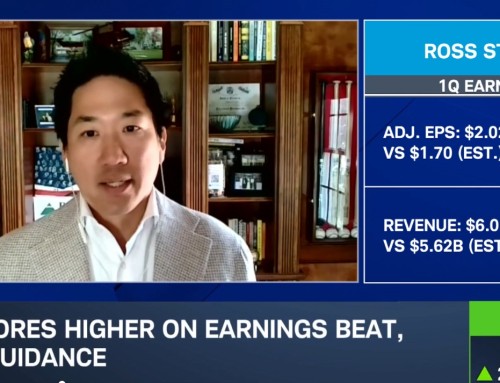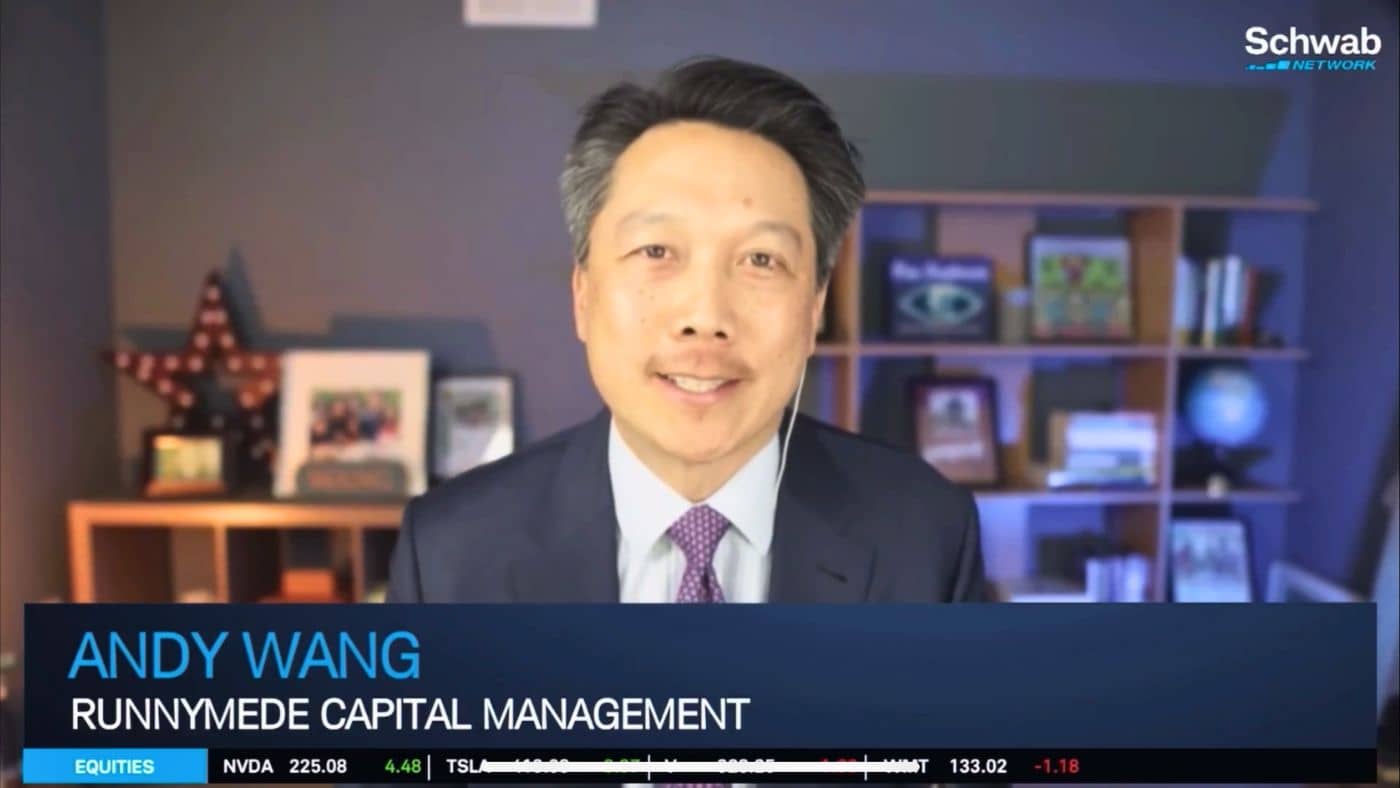
Andy Wang, Managing Partner at Runnymede Capital Management, appeared on Schwab Network's Trading 360 with host Jenny Horne to discuss Target's Q1 2026 earnings.
Target delivered a strong earnings beat and itsbiggest revenue surprise since November 2021. Same-store sales rose 5.6%, more than double the Street's estimate. Traffic increased, margins expanded, and management raised full-year guidance.
Despite the strong results, the stock sold off following the report.
Target's post-earnings selloff reflects sell-the-news positioning rather than weak fundamentals. Strong operating results alone may not satisfy investors after outsized rallies in value retail stocks and rising macro hedging from management.
Wang acknowledged that a single quarter does not constitute a turnaround, noting that management made the same point. But he emphasized the significance of the beat.
“If this isn't a turnaround, it's the best audition for one I've seen,” Wang said. “Target is getting more customers through the door and making more money on each visit. That's the hardest trick in retail.”
Wang added that he appreciates CEO Michael Fiddelke's measured tone just three months into the job. “Cautious confidence is exactly what you want from new leadership. But the results are doing the talking here.”
Digital Momentum
Wang pointed to Target's digital performance as a key area of progress.
“Everyone talks about Target's stores. But investors should look at this quarter and what's happening online,” he said.
Digital sales grew 9%, up from 1% growth in recent quarters. Same-day delivery through Circle 360 increased over 27%. Non-merchandise revenue, which includes memberships and marketplace fees, rose nearly 25%.
“It's not yet the profit engine Walmart and Amazon have built, but this acceleration shows Target is finally headed in that direction,” Wang said. “If Target is finally starting to catch up, the market hasn't fully priced it in.”
Consumer Resilience
The results also offered a positive signal on consumer spending. With gas prices elevated and inflation persistent, many expected consumers to pull back. Instead, Target reported higher traffic and increased spending per visit.
Reinvestment and Expansion
Target recently opened its 2,000th store. The company is investing in larger store formats with expanded space for wellness, beauty, baby, and food categories. In Q2, Target plans to execute its largest dry grocery reset in over a decade and launch Target Beauty Studio in more than 600 locations.
Tariff Risk
One risk that warrants attention is tariff policy.
Target imports heavily from Asia in discretionary categories including home goods, apparel, and toys. The CFO acknowledged the company is “working through the process” on tariff refunds and described the trade environment as “dynamic.”
Target executed well this quarter, but management kept the word “cautious” in their outlook for a reason. The guidance raise is encouraging, but investors should not ignore the uncertainty the company still faces on trade policy.
Competitive Positioning
The long-term outlook depends on whether Target can narrow the gap with Walmart on distribution and digital capabilities. Recent moves suggest management is focused on that goal. The company opened a new receive center in Houston and hired former Walmart executive Jeff England as supply chain chief.
Walmart remains the industry leader. But Target is no longer standing still.